Every person has got their own piece of advice with regards to Why You Should Consider a Tankless Water Heater.
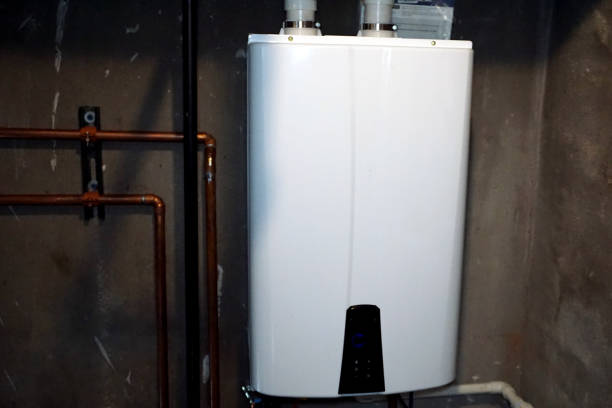
In a globe where benefit and performance reign supreme, it's no surprise that home owners are frequently looking for smarter means to handle their home's energy intake and convenience. One development that has steadily acquired popularity is the tankless water heater. But just what makes these systems stand apart from the traditional tank-based designs most of us matured with? Let's dive in and discover the benefits of tankless water heaters, helping you make a decision if it's time to make the switch in your home.
Introduction
Photo this: you enter the shower after a lengthy day, expecting a calming cascade of warm water, only to be welcomed by icy droplets since the last individual used everything up. Audio familiar? Typical water heaters store a fixed quantity of warm water, meaning you're at the grace of that storage tank's supply. Tankless systems, on the other hand, warm water on demand. No more going out mid-shower, say goodbye to fumbling with timetables simply to make certain hot water is offered.
Understanding Tankless Hot Water Heater
What Are Tankless Water Heaters?
Tankless hot water heater, often known as on-demand or instant hot water heater, provide hot water just as it's required. Instead of saving gallons of pre-heated water, these devices kick right into action the moment you switch on the tap. Water passes through a warmth exchanger, warming up in real-time, indicating you get an uninterrupted circulation of warm water without the need for a huge storage tank resting idly by.
How Do They Vary from Conventional Equipments?
Conventional heating systems hold a tank of hot water, utilizing power to keep that storage tank at a regular temperature. Tankless systems eliminate the standing supply, minimizing lost power and the bulky footprint of a large cylinder. Essentially, you're updating from a "stockpile" mindset to a "made-to-order" technique.
Common Types of Tankless Units
Tankless hot water heater usually are available in 2 selections: gas and electrical. Gas versions have a tendency to supply higher circulation rates, perfect for larger homes, while electrical models usually serve smaller homes and are typically simpler to install. Furthermore, some systems are made for point-of-use (serving one fixture) while others can handle the entire home's hot water needs.
Key Advantages of Tankless Water Heaters
Energy Effectiveness and Expense Financial Savings
Say goodbye to heating a giant tank's well worth of water and maintaining it cozy all day. Tankless heating units minimize standby power losses, which can lower energy bills. While the first cost might be higher, the long-lasting financial savings often warrant the investment.
3. Space-Saving Layout
If your home is short on storage, removing the cumbersome container frees up valuable room. Tankless units are portable and can usually be mounted on walls, stashed in corners, or installed in limited utility closets without gobbling up the entire area.
4. Longer Lifespan
A properly maintained tankless water heater can outlive its tank-based cousin. Traditional containers may last 10-15 years, while tankless models can maintain downing along for twenty years or even more, making them a solid financial investment over time.
1. Limitless Warm Water Supply
Ever before needed to set up showers so everyone gets their reasonable share of hot water? With tankless, that ends up being a thing of the past. As long as the heating system's flow capability isn't gone beyond, you can take back-to-back showers without developing into a popsicle.
5. Improved Water Quality
Keeping water in a storage tank can often result in debris accumulation or a somewhat "off" preference. With tankless systems, fresh water is warmed on the spot, decreasing the chances of debris accumulation and potentially supplying cleaner-tasting water.
Factors to consider Prior To Changing
Though the advantages are compelling, it's a good idea to think about a few elements before totally devoting.
Evaluating Your Home's Water Use Patterns
If your home at the same time uses numerous components with high hot water need, ensure the unit's circulation price meets your requirements. Knowing your usage patterns aids you choose the ideal size and sort of tankless heating unit.
Maintenance and Treatment Tips
Tankless systems are fairly reduced maintenance, however they aren't set-it-and-forget-it home appliances.
Regular Cleansing and Descaling
Difficult water minerals can accumulate in the warm exchanger, affecting efficiency. Regular descaling (usually recommended every year) maintains the system running at peak performance.
Yearly Professional Assessments
A yearly checkup from a specialist ensures minor concerns are captured early. They'll assess the device's efficiency, search for leaks, and aid preserve optimal efficiency.
Initial Financial Investment Expenses
Tankless heaters normally include a higher upfront price. Between the device itself and prospective installation alterations, the initial expense could give you sticker shock. Yet bear in mind to see it as a long-term investment.
Installation Needs
Depending upon your home's facilities, you might require additional electrical capability or gas line upgrades. Ensure you understand the installment requirements and consult with a specialist to avoid shocks.
Ensuring Appropriate Air Flow
For gas models, appropriate air flow is necessary to securely expel exhaust gases. See to it venting systems are tidy and properly installed to stop any kind of potential safety and security dangers.
Contrasting Different Brands and Models
Not all tankless water heaters are created equivalent.
Investigating Reliable Makers
Try to find trusted brand names with a background of creating high quality devices. A trustworthy manufacturer frequently provides far better consumer assistance and longer guarantees.
Installation: Do It Yourself or Professional?
While some home owners delight in tackling jobs themselves, tankless installation may not be the best time to burst out the tool kit.
Advantages and disadvantages of Do It Yourself Installation
A do it yourself install might conserve cash, yet it includes risks. Wrong installation can bring about ineffectiveness or safety and security problems. If you're handy and have experience, it may be practical-- however proceed with care.
Reviewing Testimonials and User Feedback
Individual reviews and feedback from next-door neighbors or good friends who have gone tankless can provide important insights. Occasionally, real-life experiences can be extra informing than advertising and marketing brochures.
When to Call an Expert Plumber
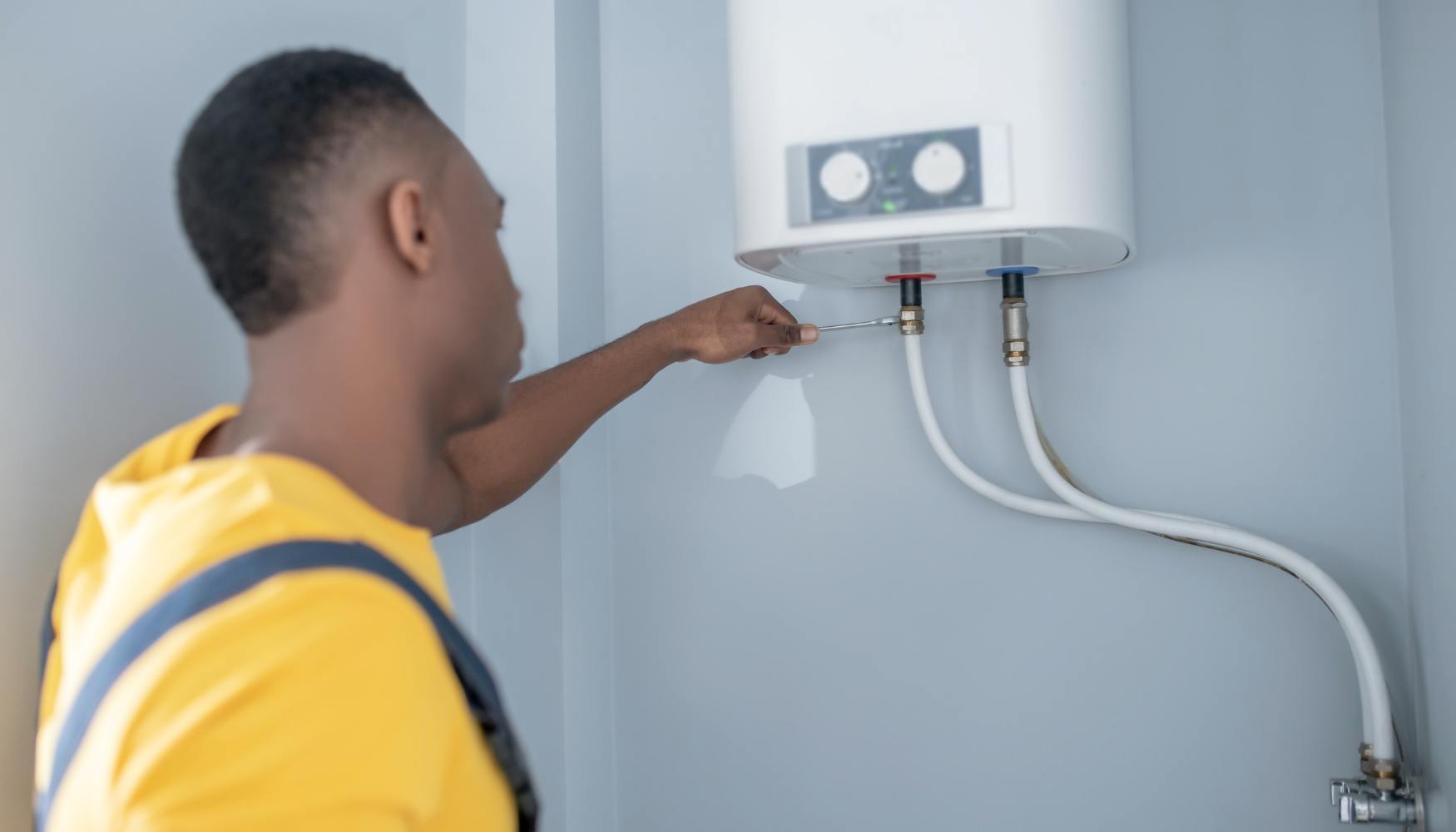
For many, calling a professional ensures everything's done correctly. A specialist plumbing comprehends neighborhood codes, sizing needs, and venting parameters, minimizing the risk of problems.
Optimizing Effectiveness
You have actually invested in a tankless system-- currently maximize its performance.
Optimal Temperature Settings
Most individuals set their units between 120-140 F. Changing the temperature can enhance comfort and cost savings. Experiment to discover a wonderful area that does not lose energy.
Pairing with Low-Flow Fixtures
Wish to stretch your system's capacities? Take into consideration setting up low-flow showerheads and taps. They decrease water usage, enabling your tankless system to deliver a stable stream of hot water without straining.
Environmental Impact
Tankless water heaters straighten with greener living goals.
Decreased Carbon Impact
By using much less energy and just home heating water as needed, tankless systems can decrease your home's carbon footprint, reducing your ecological impact.
Saving Natural Resources
Much less power usage and much less wasted warm water convert into less natural resources being utilized, an ecological win-win.
That Profits Many from Tankless Heating systems?
The charm of tankless heating units is that they can match a selection of houses.
Large Families vs. Single Passengers
Huge family members could enjoy the countless warm water supply, while single occupants value the energy cost savings from not heating up a whole tank for simply someone's morning shower.
Homeowners with Restricted Area
If your home is short on square video footage, losing the bulky tank maximizes area for various other essentials-- or maybe just more breathing space.
Eco-Conscious Consumers
Going tankless aligns with environmentally friendly worths, ensuring you're not throwing away energy or sources.
Future Trends in Tankless Hot Water Heater
The world of home devices is ever-evolving, and tankless hot water heater are no exception.
Developments in Modern technology
R&D is regularly boosting heat exchangers, making systems extra efficient and sturdy. Future models may be also quieter, extra compact, and much better fit for varying climates.
Smart Home Combination
Envision readjusting your hot water heater's temperature level using an application or obtaining maintenance notifies on your phone. As clever home technology breakthroughs, we'll see even more connectivity and benefit.
Conclusion
Picking a tankless hot water heater is greater than just upgrading your home's hot water system; it's buying lasting convenience, energy efficiency, and a greener way of living. By considering your house's water usage, bearing in mind setup requirements, and devoting to routine maintenance, you can appreciate a consistent stream of warm water without the luggage of a bulky storage tank. As technology advances, you can eagerly anticipate also smarter, much more effective tankless solutions that not only make your life easier however additionally benefit the planet.
5 Benefits of Tankless Water Heaters
Save Valuable Space
Since tankless water heaters do not have a massive 40+ gallon tank of water, they are considerably smaller and can fit in more narrow spaces in your home.
If you are working with limited square footage, a tankless water heater will still provide you with the hot water you need while taking up significantly less space in your home. While the exact size of a tankless water heater varies depending on the brand, some are as small as a carry-on suitcase.
Endless Supply of Hot Water
While a traditional water heater preheats and stores your water in the tank, tankless water heaters do not rely on a reservoir system.
This means that they do not run out of hot water like traditional water heaters since they make hot water as needed. Traditional water heaters need to stop and reheat water when the tank inevitably runs out, but tankless water heaters do not have this issue.
Provide Warm Water On-Demand
As mentioned above, tankless water heaters do not preheat a certain amount of water and then store it in a massive tank to be used later. An advantage of installing a tankless water heater includes water being heated instantly whenever you turn on the faucet.
When you turn on the water, it will travel through a heat exchanger in the unit and be heated with either an electric element or a natural gas burner. Gone are the days of having to ration out your hot water to make sure that you do not run out.
Longer Life Cycle
Not only do tankless water heaters provide an endless supply of hot water for your home whenever you want it, but these units tend to have a longer lifespan than water heaters with tanks.
Tanked water heaters have an average lifespan of around 10 years, as the tank is prone to corrosion, leading to serious issues. In comparison, tankless water heaters can last for around 15 to 20 years with the proper maintenance and tune-ups.
Energy Efficient
Compared to traditional water heaters, tankless water heaters are a more energy-efficient water heating option for your home. Tank water heaters must heat and reheat the water stored in the tank throughout the day, even if you are not home.
This energy use adds up over time, leading to an increase in your energy bills and added strain on your unit. A benefit of buying a tankless water heater includes saving money since it only operates when you turn on the hot water. Since it only heats up as needed, this can decrease your energy bills and save you money in the long run.
https://callrandazzo.com/blog/5-benefits-of-tankless-water-heaters/
As a fervent person who reads about 5 Benefits of Tankless Water Heaters, I thought sharing that editorial was worth the trouble. Liked our posting? Please share it. Help another person discover it. We value your readership.
Go Deal Now