How do you really feel in regards to Is it safe to flush food (especially rice) down the toilet??
Introduction
Many individuals are frequently confronted with the issue of what to do with food waste, especially when it concerns leftovers or scraps. One typical concern that develops is whether it's okay to flush food down the commode. In this article, we'll explore the reasons that people could think about flushing food, the effects of doing so, and different techniques for proper disposal.
Reasons why people could consider purging food
Lack of awareness
Some individuals may not know the possible harm brought on by flushing food down the commode. They may mistakenly believe that it's a safe practice.
Benefit
Purging food down the toilet may appear like a fast and very easy service to dealing with unwanted scraps, particularly when there's no close-by trash can readily available.
Idleness
In many cases, individuals may just select to flush food out of large idleness, without thinking about the consequences of their activities.
Repercussions of flushing food down the toilet
Environmental effect
Food waste that ends up in waterways can add to contamination and damage water environments. Furthermore, the water used to purge food can stress water sources.
Plumbing problems
Flushing food can cause stopped up pipelines and drains, causing costly plumbing repairs and inconveniences.
Kinds of food that ought to not be flushed
Coarse foods
Foods with fibrous structures such as celery or corn husks can obtain entangled in pipelines and trigger obstructions.
Starchy foods
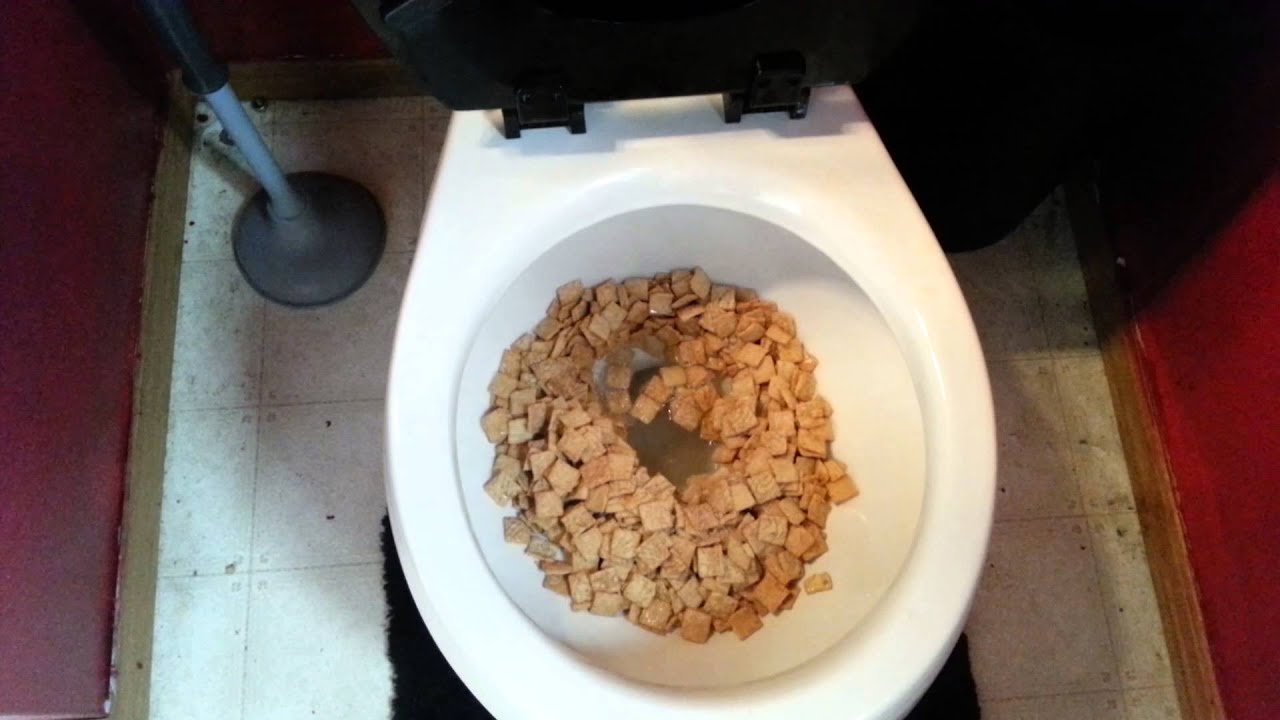
Starchy foods like pasta and rice can soak up water and swell, bring about clogs in pipelines.
Oils and fats
Greasy foods like bacon or food preparation oils must never ever be flushed down the bathroom as they can strengthen and create obstructions.
Correct disposal techniques for food waste
Making use of a waste disposal unit
For homes outfitted with waste disposal unit, food scraps can be ground up and purged through the plumbing system. Nonetheless, not all foods are suitable for disposal in this way.
Recycling
Specific food product packaging products can be reused, lowering waste and minimizing environmental impact.
Composting
Composting is an environment-friendly method to dispose of food waste. Organic materials can be composted and used to enhance soil for gardening.
The importance of correct waste monitoring
Minimizing ecological damage
Correct waste monitoring techniques, such as composting and recycling, assistance lessen contamination and protect natural resources for future generations.
Protecting plumbing systems
By preventing the method of flushing food down the toilet, property owners can avoid expensive plumbing repair work and keep the honesty of their plumbing systems.
Final thought
In conclusion, while it may be tempting to flush food down the toilet for benefit, it is very important to comprehend the possible effects of this action. By adopting proper waste management practices and throwing away food waste sensibly, people can add to much healthier plumbing systems and a cleaner setting for all.
Flushing Food Down the Toilet? Be Careful
Many of us rely on our garbage disposals, which must be one of the greatest inventions of the 20th century. It’s so convenient to rinse the bits off your dinner plates and, with the flip of a switch, all the food scraps are magically macerated and washed away.
But if you don’t have a working disposal, you may be tempted to flush food scraps down the toilet after each meal. For many, it’s because they don’t want to fill their garbage cans with organic matter that will start to smell up the kitchen the next day. Others who have garbage disposals are tempted to flush down food items that are not supposed to go down garbage disposals, like coffee grounds, eggshells, and fish skins.
Here are a few kinds of food you absolutely should never flush down the toilet:
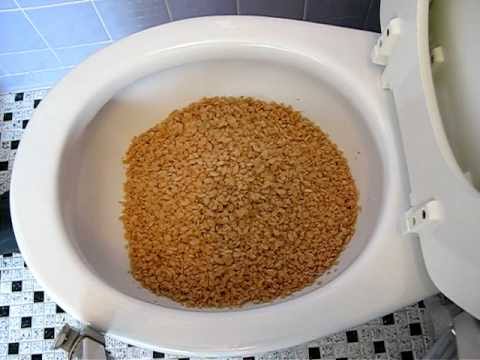
Oils and fats – This includes any food substance that hardens when it cools: bacon fat, butter, or cooking oils. These substances congeal inside your sewer lines, constricting sewage flow or stopping it entirely. As cooking fats gather and harden inside sewers, they collect other bits of debris down the line and form fatbergs that can affect entire communities. In recent years, these massive chunks of fat and debris have made the news by bringing entire branches of sewer systems to a halt in major cities across the world. Hard food scraps that break down slowly – Animal bones, corn cobs, and apple cores are just a few examples of food scraps that take a long time to decompose. Honestly, if you flush these kinds of scraps all the time, it’s a miracle you haven’t plugged up your toilet drain already. Not only can these items jam up your sewer pipe, but they are prime fodder for building fatbergs. They can also disrupt your city’s wastewater treatment processes. Throw these items in your trash can, instead. Grains – Rice, oats, and other grains swell when they absorb water. When you flush a bowl of oatmeal, the oats can keep expanding and stop up your sewer line. Starchy foods – Think about the consistency of a pile of mashed potatoes. If you flush a big glob of spuds, the gelatinous obstruction can easily slow the flow of your sewer pipe. Alternatives to Flushing Food Down the Toilet
Consider keeping your leftovers in the refrigerator or freezer for later use; there are a million ways to repurpose leftovers. Pour unwanted liquid-based foods like soup or cooking fats into an old can or leak-proof plastic bag and toss that in the trash. Nearly one hundred percent of your food scraps can be composted, so see if your city has a compost program, and separate your compostable scraps for this purpose. If not, make your own compost pile. Put your smelliest food scraps (fish skins, soggy meat wrappers, etc.) in a plastic bag and store it in the freezer until trash day, when you can add it to your bin and take it immediately curbside for the garbage hauler.
I was brought to that write-up about Is it safe to flush food (especially rice) down the toilet? from someone on another web page. Appreciated our piece of writing? Please share it. Help someone else find it. I take joy in your readership.
Need Help? Hire Us Now!